Things to Do in Male in June
June weather, activities, events & insider tips
Low Season · Budget Friendly
June Weather in Male
Long-run averages for June
88°F (31°C)
High Temp
79°F (26°C)
Low Temp
5.8 inches (147 mm)
Rainfall
75%
Humidity
11
Sunny-Day UV
⚠ Southwest monsoon squalls can develop rapidly with sustained winds above 25 knots and driving rain, occasionally disrupting seaplane schedules and cancelling boat transfers between islands for part or all of a day. Build flexibility into any itinerary that depends on water transport. Confirm departures the morning of. Plan accordingly.
⚠ UV intensity remains high even under heavy cloud cover at this near-equatorial latitude: sunburn through overcast skies is one of the most common tourist injuries in June, and reflected glare off the water on boat decks roughly doubles your exposure without you feeling the heat that would normally warn you to seek shade. Wear sunscreen. Reapply often.
Making the most of June in Male? Browse tours and activities in Male on GetYourGuide.
Is June Right for You?
Weigh the advantages and considerations before booking
Advantages
- + The showers that do arrive tend to be short, violent afternoon bursts that clear within half an hour, leaving the rest of the day usable.
- + Walking Male's dense, shadeless streets is markedly more comfortable now than during the clear-sky scorch of February or March.
- + Tourist volume drops sharply once the dry season ends in April, which translates directly into thinner crowds at the fish market, half-empty snorkeling boats, and guesthouse availability in Hulhumale that would be unthinkable in January. The city feels like it belongs to the people who live here, which changes the texture of everything from a walking tour to an afternoon in a tea house.
- + The southwest monsoon pushes nutrient-dense currents through North Male Atoll's channels, pulling plankton blooms that attract manta rays to cleaning stations along the atoll rim. June is the opening month of the Maldives' peak manta season, and the increased marine activity means snorkeling safaris encounter more large pelagic life than the calmer, clearer dry-season months.
Considerations
- − The southwest monsoon delivers squalls with almost no warning: a flat-calm morning can turn into horizontal rain and 25-knot gusts within fifteen minutes. Boat transfers to sandbanks and nearby islands get cancelled when seas build, sometimes for a full day, which means any itinerary built around water excursions needs flexible backup plans.
- − Male is a strictly dry city with no alcohol sold anywhere on the island, and that extends to Hulhumale's guesthouses. The only legal options are resort islands, which require a boat transfer and typically a day-pass arrangement that undercuts the budget savings of staying in the city. In June's lower season, fewer resorts actively market day passes, so planning ahead matters more than usual.
- − Overcast skies appear more often than not, which flattens the famous turquoise-over-white-sand color palette that defines Maldives imagery. The water is the same temperature and the fish are still everywhere. But anyone chasing that classic postcard shot will find the light moodier and less cooperative than what December through April delivers.
Settled on June? Compare hotel prices in Male for your dates on Trip.com.
Best Activities in June
Top things to do during your visit
June hits Male like a warm, salt-damp cloth. The southwest monsoon, the hulhangu, is locked in by now. The capital wakes each morning under skies that shift between dove-grey cloud banks and sudden, almost theatrical breaks of equatorial sun. They barely dip below 27 at night. The air carries constant warmth that clings to skin the moment you step off a dhoni or out of an air-conditioned teashop. Rain comes. That is roughly a third of what November or May delivers. Showers tend to arrive in concentrated afternoon bursts. They hammer the corrugated roofs of the fish market for twenty minutes. Then the clouds crack apart. Steam rises from Chaandhanee Magu in pale ribbons. What makes June distinct in Male is the pace. The island capital, barely two kilometres across, runs on a rhythm shaped by prayer times, fishing schedules, and the ferry timetable to Villingili and Hulhumale. Fewer resort-bound tourists transit through compared to the December-through-April peak. The cafes along Majeedhee Magu feel more local. You will hear the clatter of roshi being folded on flat griddles. The sharp scent of rihaakuru simmers in back kitchens. A low hum of Dhivehi conversation spills out of hedhikaa shops. Short eats are lined up under glass. The sea around Male takes on a deeper, more opaque turquoise during monsoon weeks. The harbour wall along the waterfront fills in the late afternoon with families. They watch cargo dhonis rock against their moorings. For travellers willing to carry a light rain jacket and trade postcard perfection for texture, June rewards with a Male that feels unperformed. It is a working Indian Ocean capital going about its business on a coral platform barely a metre above sea level. Dining in Male runs deeper than resort buffets suggest. The narrow lanes around the local market area smell of smoked tuna and crushed curry leaves. The hedhikaa cafes serve bajiya, fried pastries stuffed with fish and coconut, still crackling from the oil. Evening brings grilled reef fish to waterfront spots. The char smoke mixes with the iodine tang of low tide. Nightlife on the island is quiet by regional standards. Male is a conservative capital. Alcohol is unavailable outside resort territory. The evening promenade along the seawall has its own sociable energy. Teenagers on scooters weave past families eating ice cream. Accommodation in Male itself tends toward compact city guesthouses rather than large properties. Travellers often use the capital as a launchpad, spending a night or two before heading to an atoll. Those who linger discover that Male rewards close attention: the coral-stone mosques, the painted fishing boats, the way an entire city of over 200,000 people lives on a speck of land you can walk across in fifteen minutes.

Malé Uncovered Heritage, Culture and Hidden Gems
culturalThe Uncovered Heritage, Culture and good spots tour peels back the compressed layers of Male, a capital where seven centuries of sultanates, colonial occupations, and coral-stone architecture are packed into an area smaller than most airport terminals. A local guide threads you through lanes too narrow for cars. You will pass the carved wooden doors of Hukuru Miskiy, the oldest mosque in the Maldives. The interior dimness smells of aged coral and sandalwood. You will enter residential blocks where laundry lines and satellite dishes frame glimpses of turquoise harbour water. The route surfaces details that walking alone would miss: the significance of the bundled-coral walls at the Mulee-aage palace grounds, the stories behind faded painted shop fronts on Fareedhee Magu, the taste of a particular kurumba coconut drink sold from a cart that has occupied the same corner for decades.
This is the most thorough way to examine a city that hides its history behind unmarked doorways and residential alleyways you would never enter alone.
Insider tip: Request a morning start before ten. The guide can take you through the fish market when the day's catch is still being unloaded from dhonis. The light inside the covered hall is silver and impressive rather than the flat glare of midday.
This month: June's overcast mornings keep temperatures marginally cooler during the walk. The occasional monsoon shower clears the narrow streets of scooter traffic, making the lanes easier to explore on foot.

4 Hour Highlights of Malé Walking Tour
walking_tourThe four-hour walking tour covers Male's highlights at a pace that lets you absorb the density of the place without exhaustion. This is a real consideration when the air temperature and the pavement temperature are both hovering near thirty degrees. The route typically connects the Presidential Palace, the Islamic Centre with its gold dome that catches whatever sun breaks through the monsoon cloud cover, the tsunami monument on the waterfront, and the fresh produce market where pyramids of green bananas and bundles of dried fish are stacked in fragrant, slightly pungent rows. What elevates this beyond a checklist walk is the connective tissue the guide provides: how Male's street grid was reorganised after the 2004 tsunami, why certain coral-stone walls are left deliberately unplastered, and where to find the best mas huni. That is the shredded smoked tuna and coconut breakfast that is the national dish in everything but official title.
Four hours is the right duration to see Male properly without either rushing past the detail or wilting in the equatorial heat.
Insider tip: Wear shoes you can slip on and off quickly. You will remove them at mosque entrances. Fumbling with laces in the doorway while a line of worshippers waits behind you is awkward.

Private Vacation Photography Session in Male Maldives
otherA private photography session in Male sounds like a luxury add-on. The results tap into something specific to this place: the visual compression of the city, where turquoise water, coral walls, painted fishing boats, and dense tropical foliage exist within a few steps of each other. A professional photographer navigates you to spots where the light and backgrounds conspire. You will find the harbour wall at golden hour when the dhonis are silhouetted against a monsoon sky turning amber and violet. You will find narrow lanes where bougainvillea spills over compound walls in saturated magenta. You will find rooftop terraces where Male's improbable skyline of minarets, water tanks, and construction cranes stretches to the ocean horizon. The tactile contrast of rough coral stone against smooth painted plaster, the way afternoon light rakes across a mosque facade, these are images that a phone snapshot from the street cannot replicate.
Male's visual richness is concentrated and layered in ways that reward a photographer who already knows the angles, the light windows, and the good vantage points.
Insider tip: Schedule the session to straddle the late afternoon into sunset. The period from about 5 PM onward gives you the soft pre-sunset light for street portraits, then the harbour-facing golden hour for wide shots, all in one continuous session without relocating far.
This month: June's monsoon cloud cover diffuses the harsh equatorial sun, creating naturally soft, even lighting throughout the day. This is a genuine advantage over the contrasty shadows of the dry season, where midday sun makes outdoor portraiture difficult.

3 Point Snorkeling Safari
adventureThe three-point snorkelling safari leaves Male's congested harbour behind. It puts you over three distinct reef systems in a single outing, each with different character. The first stop is typically a shallow reef where parrotfish crunch audibly on coral. The water is warm enough, around 29 degrees at the surface, that a wetsuit feels unnecessary. The second site drops into deeper channels where reef sharks patrol the blue edge. Visibility, even during monsoon season, often holds at fifteen to twenty metres on calmer days. The third reef tends to be chosen for its coral garden density: staghorn formations in pale lavender and brown, sea fans flexing in the current, and the occasional hawksbill turtle pulling itself along the reef face with slow, deliberate strokes. Between stops, the boat crosses water that shifts from jade green over sand flats to deep indigo over the atoll drop-off. The colour change is abrupt enough to feel like crossing a border.
Three reef environments in one trip means you see the range of underwater life around Male rather than a single snapshot.
Insider tip: Bring your own mask if you have one that fits well. Rental masks on dhoni trips often fog or leak at the seal. A poor-fitting mask will ruin visibility that is otherwise excellent.
This month: June sits between the heavy rainfall peaks of May and September. The southwest current during this period often pushes clearer oceanic water over the reefs on the eastern side of Male atoll, improving underwater visibility compared to the wetter monsoon months ahead.

Full Day Male' Walking Tour
day_tripThe full-day walking tour of Male is the deep-immersion version. It is a commitment that only makes sense because the city is so dense that even a full day does not exhaust its layers. The itinerary stretches from the fish market's pre-dawn residual energy through the governmental quarter, the old sultan's palace grounds, the residential maze of Henveiru ward where the smell of freshly pressed coconut oil seeps from kitchen windows, and into the evening waterfront promenade where Male's population seems to collectively exhale after the workday. Lunch is typically taken at a local cafe, the kind with fluorescent lighting, laminated menus, and garudhiya fish soup that tastes of smoke, lime, and the deep ocean. This is itself a window into daily Male life that shorter tours skip. The guide calibrates pace to the heat, ducking into shaded lanes and air-conditioned mosques during the midday peak. The walk feels more like a series of encounters than an endurance march.
A full day lets you experience Male across its entire daily arc, from the purposeful morning commerce to the languid, salt-aired evening, rather than a highlight reel from a single time window.
Insider tip: Bring a refillable water bottle. Ask the guide to stop at one of the community water stations (there are several near mosques) rather than buying single-use plastic bottles, which pile up visibly on an island with severe waste constraints.

Half-Day Original Eco Tour to Villimale From Malé
guided_experienceThe half-day eco tour to Villingili crosses a short stretch of harbour water by local ferry. It is a ten-minute ride that costs almost nothing and deposits you on an island that feels like Male's photographic negative. Where Male is vertical, concrete, and packed to its seawalls, Villingili is horizontal, green, and laced with sandy paths under banyan canopies so dense the light beneath them turns a dim, aquatic green. The guide walks you through the island's community gardens, where breadfruit trees and banana plants grow alongside hibiscus hedges that hum with insects, and along a western beach where the sand is fine, pale, and largely empty on weekday mornings. The ecological angle is not performative. Villingili has implemented community waste management and tree-protection programs that the guide explains in context. You can smell the difference between this island's composting gardens and Male's diesel-tinged streets before you register it consciously. The return ferry gives you Male's skyline from the water. The gold dome of the Islamic Centre catches whatever light the monsoon clouds release.
Villingili is the fastest, most accessible escape from Male's urban intensity. It is a functioning residential island with genuine green space and quiet beaches ten minutes from the capital by public ferry.
Insider tip: Take the ferry from Male's Villingili Ferry Terminal rather than arranging a private speedboat. The public ferry runs frequently. The crossing itself is part of the experience. You will share the boat with Villingili residents carrying groceries and schoolchildren. This is a better window into Maldivian daily life than any curated excursion.
This month: The southwest monsoon pushes swells toward Villingili's western beach in June, making it one of the better months to watch waves break on the reef edge. This is a visual spectacle that is largely absent during the calm dry season months.
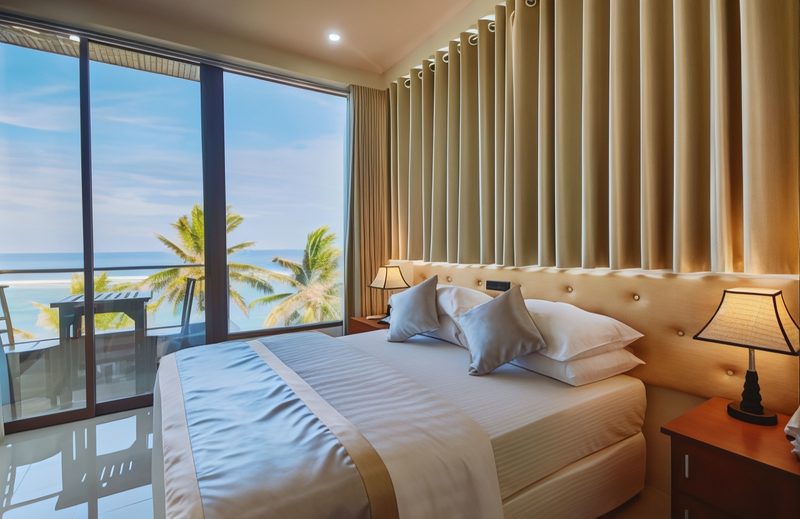
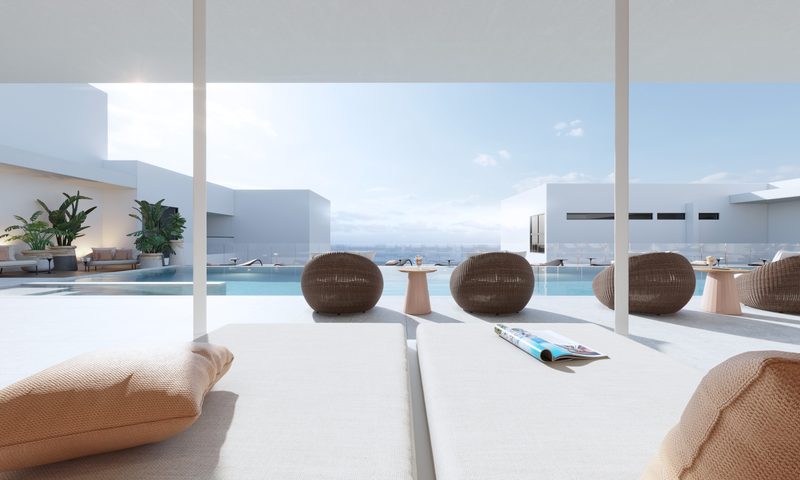
Where to Stay in Male in June
Hand-picked hotels across price tiers for June travellers.
Public Holidays in June
Dates that affect opening hours, transport and crowds
Islamic New Year
Observed nationwide as a public holiday. This date depends on observation rather than a fixed calendar, so confirm it locally closer to the time. Date not yet confirmed.
Packing Checklist
Bookmark this page — your progress is saved between visits
Need the full list with shopping links?
Climate-specific gear, brand recommendations, and what to leave at home.
View Male Packing List →Essential Tips
Insider knowledge and common pitfalls to avoid
Insider Knowledge
If you have a long layover at Velana International Airport waiting for a resort seaplane transfer, Male is a ten-minute ferry ride away and immigration is already cleared on arrival. You can walk the fish market, eat mas huni and roshi at a tea house, see the Old Friday Mosque, and be back at the airport in three hours. Most travelers sit in the departure lounge for five hours staring at their phones instead, having no idea an entire city is a short boat ride across the channel.
The tea houses, called sai hotaa in Dhivehi, are Male's real social infrastructure and the fastest way to eat as locals do. Order kiru sai, the sweet milky tea, and point at the hedhikaa display: bajiya are spiced fish pastries shaped like samosas, gulha are round fish-and-coconut balls wrapped in a thin dough, and keemia are crispy fried fish rolls with a crunch that fills the room. The staff will walk you through everything if you show even slight curiosity. Mornings between 7 and 9 AM are when the regulars file in and the food is freshest from the kitchen.
Hulhumale's eastern beach is the only convenient public beach near Male where tourists can swim in regular swimwear without drawing stares. Male proper has the Artificial Beach on its western shore. But swimming there in a bikini or board shorts draws uncomfortable attention and occasional confrontation from conservative residents. Hulhumale is noticeably more relaxed. On Friday afternoons local families come out in force. The atmosphere shifts to something closer to a neighborhood beach park than anything aimed at visitors.
June sunsets on Male's western waterfront, along the stretch between the Tsunami Monument and the ferry terminal, are often the most dramatic of the year. The monsoon clouds create a canvas that clear-sky months cannot match, layering copper and violet across the horizon in arrangements that change every sixty seconds. Locals know this. The waterfront benches fill up around 5:45 PM with families and couples. The roasted-corn sellers wheel their carts into position to catch the crowd. The smell of charred kernels and the sound of Dhivehi conversation mixing with the lap of water against the seawall is the closest Male gets to a communal evening ritual.
Avoid These Mistakes
Treating Male as nothing but a transit point and never leaving the airport. Most travelers fly into Velana, wait for their resort transfer, and fly out two weeks later having seen nothing of the country where Maldivians live. Male is dense, loud, motorcycle-choked, and one of the most interesting small cities in the Indian Ocean. The fish market alone, with its slabs of yellowfin tuna being carved by hand at dawn and the smell of salt and iron hanging in the humid air, is worth the ten-minute ferry crossing. Do not skip it.
Wearing swimwear or revealing clothing while walking Male's streets. This is a conservative Muslim city where locals cover their shoulders and knees, and dressing otherwise draws uncomfortable looks and real offense. Save the beach clothes for Hulhumale's tourist beach or the resort island. A sarong or light cover-up takes no space in your bag. It transforms how people interact with you, from wary to welcoming, in a single change.
Assuming Male has nightlife in any conventional sense. There are no bars, no clubs, and no alcohol sold anywhere on the island. Evening life in Male is tea houses closing late, waterfront walks under monsoon skies, the smell of grilled fish drifting from apartment windows, and families gathered on plastic chairs outside their doorsteps. If you are expecting Bali or Bangkok after dark, you will spend the evening restless and confused. Embrace the quiet. Book a resort with evening programming. Do not arrive expecting what does not exist.
Short on time? See day trips around Male on GetYourGuide.
Ready to plan your trip to Male?
Now that you've got the research covered, here's where to go next.
Explore More Activities in Male
Didn't see anything interesting yet?
Browse Viator's full catalog of tours, day trips, food experiences, and private guides in Male.
See All Male Tours on Viator